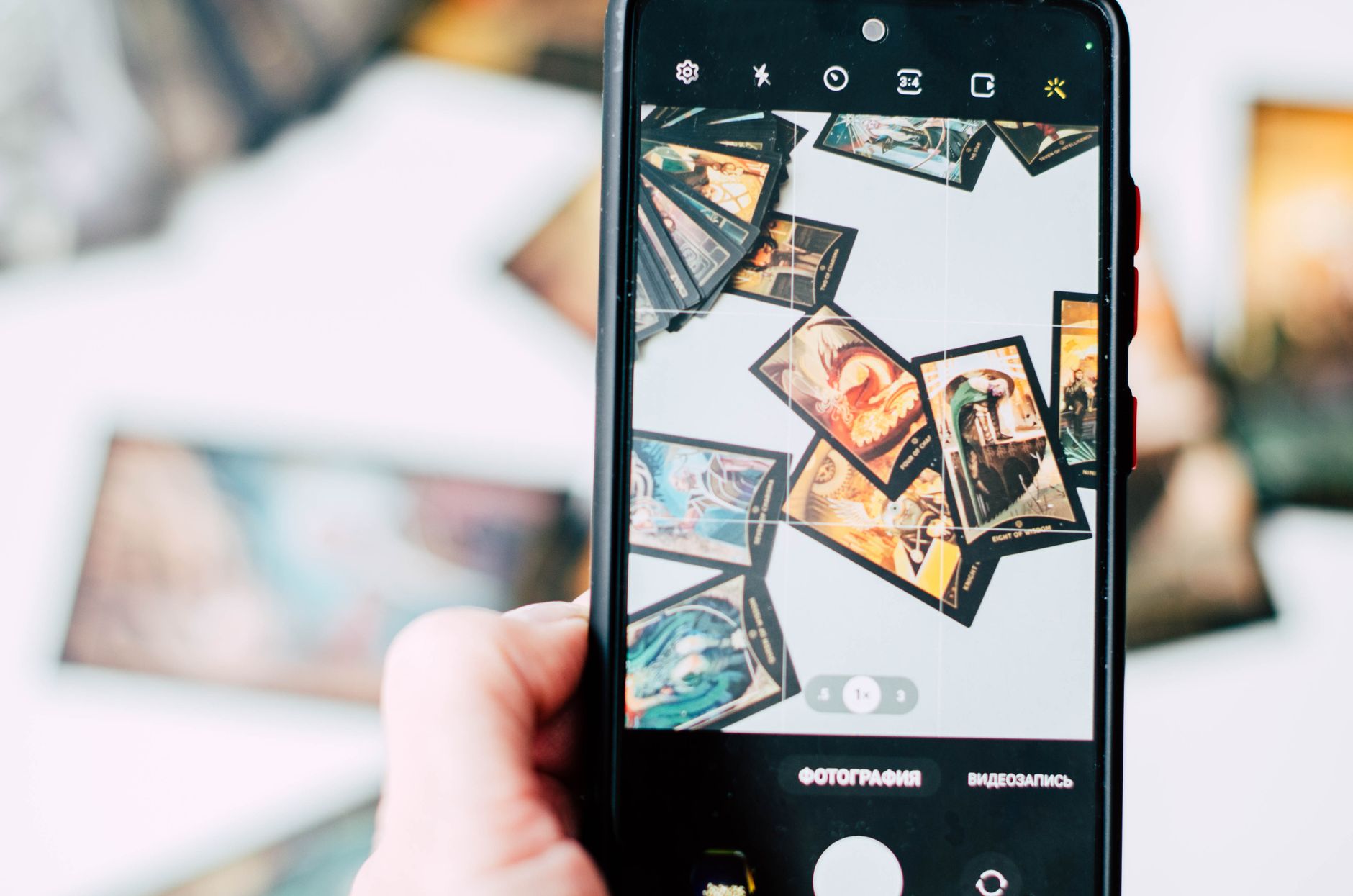
You watched a tiktok tarot reading this morning. A soft voice flipped three cards, said something about letting go and trusting the timing, and a few hundred thousand people liked it along with you. It felt true for about ten seconds. Then you tried to apply it to your actual situation, the one with a specific person's name attached to it, and it slid right off. That's not a flaw in your intuition. It's the format working exactly as built.
A video made for a general audience has to speak to a general audience. A reading made for you only has to speak to you. Those are two different jobs, and understanding the difference changes what you expect from each one.
The Math Behind a TikTok Tarot Reading
The #tarotreading and #psychic tags on TikTok measure their reach in billions of views, and a single daily pull video is designed to land for as many of those viewers as possible. That means the cards get read in the widest possible terms: someone is thinking of you, a decision is coming, don't rush the ending. Every phrase has to be true enough for a nurse in Ohio, a college student in Manila, and a father of three in New York all scrolling at the same moment. Vague isn't a mistake here. It's the only way the content can work at that scale.
None of that makes the cards themselves fake or the creators dishonest. It just means the format can't do what a one-to-one tarot reading does, because it was never built to.
What Gets Lost Without a Real Question
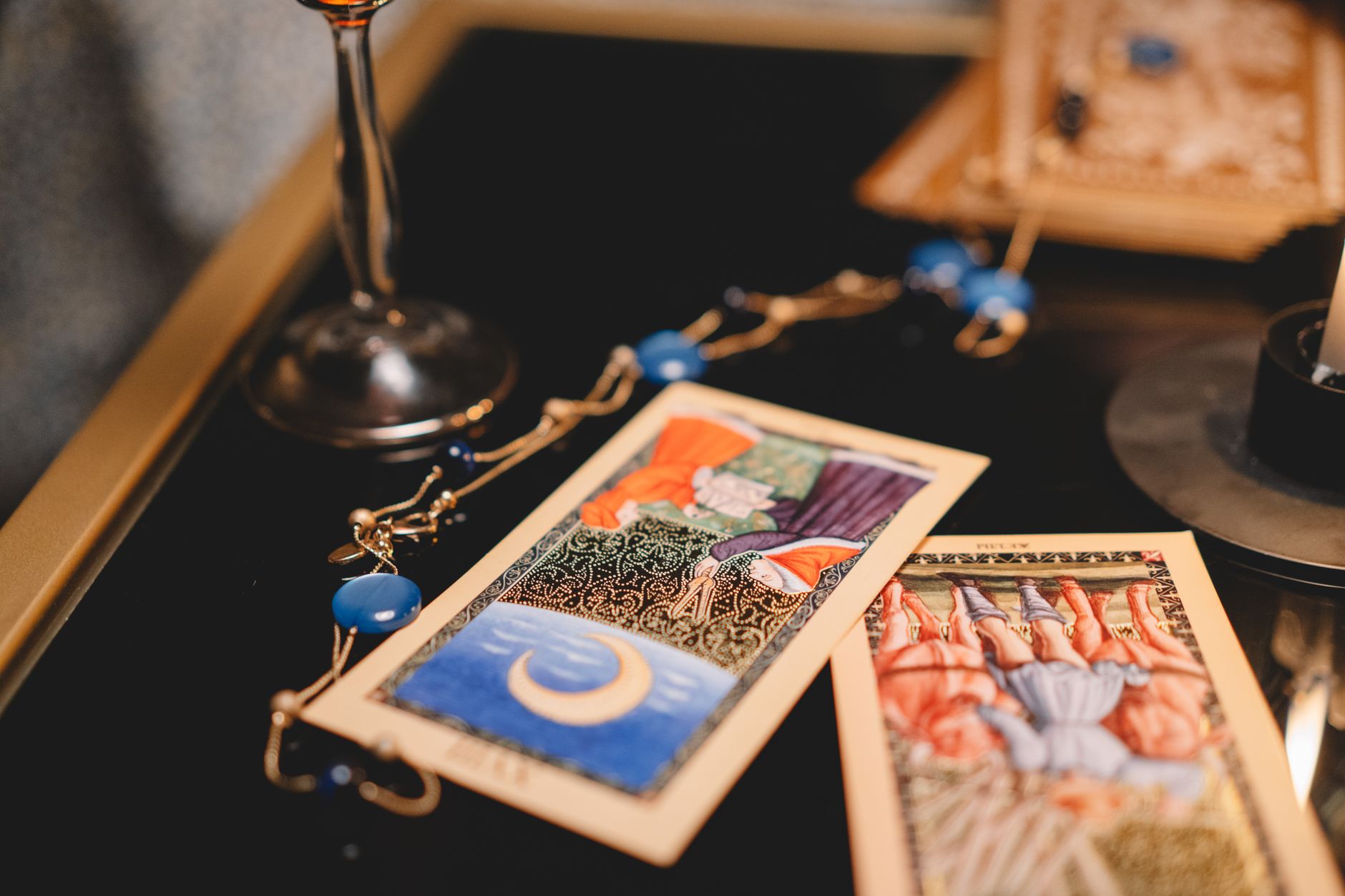
A tarot card means something in relation to a question. The Ten of Cups pulled for "will I find love this year" and the Ten of Cups pulled for "should I forgive my sister" are not describing the same thing, even though the image on the table is identical. A general TikTok pull has to drop the question entirely, because the audience is holding a thousand different ones. What's left is the card's broadest possible meaning, stripped of the context that would make it specific to you.
In twenty-five years and more than fifty thousand readings, I've learned that the question is often more revealing than the cards. How someone asks about their ex, their job, their mother, tells me where to actually look. A video can't ask you anything. It can only guess at what you might be wondering, and guess wide.
Signs the Pull Was Talking to Everyone, Not You
- It could apply to a breakup, a job change, or a health scare equally well.
- It named a feeling (anxious, hopeful, torn) but never a person, timeline, or decision.
- You had to do most of the interpreting yourself to make it fit.
- A different video with the opposite message would have felt just as believable.
If that describes what you watched, your instincts were right to notice. That's not you being hard to read. That's the content doing its job for a crowd instead of for a person.
What Changes in a Personal Reading
A reading built around your actual question moves differently from the first card. I can ask what you mean when you say you're confused about him, whether this is new or a pattern, what you've already tried. The cards then get read against your real timeline and your real relationships, not a placeholder version of a life. That's the whole difference between content made for an audience and a reading that brings real clarity to one specific situation.
It also means I can say the harder, more useful thing when the cards call for it, something a thirty-second video has no room to sit with. A general audience needs reassurance that travels well. One person, on the phone, with a real stake in the answer, deserves the specific truth instead.
The Trend Isn't the Problem
I don't think daily tarot pulls are doing anyone harm. They've brought tarot into millions of lives who might never have picked up a deck otherwise, and plenty of people who started on TikTok go on to learn the cards seriously, or get curious enough to book a phone tarot reading built around their own life. That curiosity is worth encouraging, not talking down to. The trend has also moved fast enough to produce its own viral readings, like the August Theory pull that spread across feeds and left a lot of people asking what it actually meant for them specifically.
The honest answer is usually: it depends on your situation, which a hashtag can't know and a person can.
What to Bring Instead of a Guess
If a TikTok pull left you with more questions than it answered, that's a good sign you're ready for something more specific. Come with the actual question, even if it feels too raw or too small to ask out loud. "Should I text him back" and "why do I keep picking the same kind of partner" are both real questions, and either one gives a reading something to work with that a general video never had. A short list of good ones to bring is in 15 smart questions to ask a tarot reader, if you're not sure where to start.
The cards don't change based on who's asking. What changes is whether anyone took the time to ask on your behalf.
If this is the week your situation needs more than a stranger's three-card pull, I'd be glad to sit with your actual question on the phone and see what the cards say about your life, not a general one standing in for it. Call when you're ready, and we'll start with what's really going on.

Written by The Psychic Queen
Clairvoyant psychic, tarot reader, psychic medium, and life coach with 25+ years of full-time experience and 50,000+ readings given. Former host of a psychic TV show on Metro ACCESS TV, NYC, for 7 years.