
Some life changes do not arrive politely. They break open your routines, disturb your sleep, and make even simple decisions feel heavy. That is when spiritual guidance during life transition can bring more than comfort. It can bring clarity, truth, and a sense that your life is still moving with purpose, even when everything around you feels uncertain.
A transition can look obvious from the outside:
- A divorce or a breakup
- A move
- A job loss
- An empty nest
- A health scare
But the deeper transition is often internal. You are not only asking, What happens next? You are asking, Who am I now? That question can stir fear, grief, and confusion, especially when the old version of your life no longer fits and the new one has not fully formed.
Why transitions feel so spiritually intense
Life transitions shake the structures that once gave you identity and stability. When a relationship ends, you may lose not only a partner but the future you imagined. When a career changes, it can touch your confidence, your security, and your sense of purpose. Even positive changes can create emotional whiplash. A new home, a marriage, or a long-awaited opportunity can still bring anxiety because your spirit knows something important is shifting.
This is why ordinary advice often falls short. Friends may tell you to stay busy. Family may urge you to be practical. Therapy can be deeply valuable, but many people still feel there is another layer beneath the emotions – a spiritual layer that wants to be heard. You may sense patterns repeating. You may have dreams that feel unusually vivid. You may keep seeing signs, numbers, or timing that feels too precise to ignore.
Those moments matter. They do not always mean fate is handing you a script, but they often mean your intuition is trying to speak more loudly than your fear.
What spiritual guidance during life transition can actually do
Real spiritual guidance is not about vague reassurance. It should help you understand what season you are in, what energy is leaving, what lesson is returning, and where your power still lives. During a major transition, people often feel emotionally flooded. They overthink, second-guess, and swing between hope and dread. Guidance helps calm that noise.
Sometimes the clearest insight is simple. This relationship is complete. This delay is protection. This opportunity is real, but your timing needs adjustment. This grief must be honored before new love can enter. Spiritual truth is not always what the ego wants to hear, but it often brings relief because it names what your soul already knows.
That is also why honesty matters. Gentle guidance should still be direct. If you are clinging to a person who is not showing up with integrity, you deserve to hear that. If your fear is making you shrink from a path that is meant for you, you deserve to hear that too. Compassion without truth keeps people stuck. Truth with compassion helps them move.
The forms guidance may take
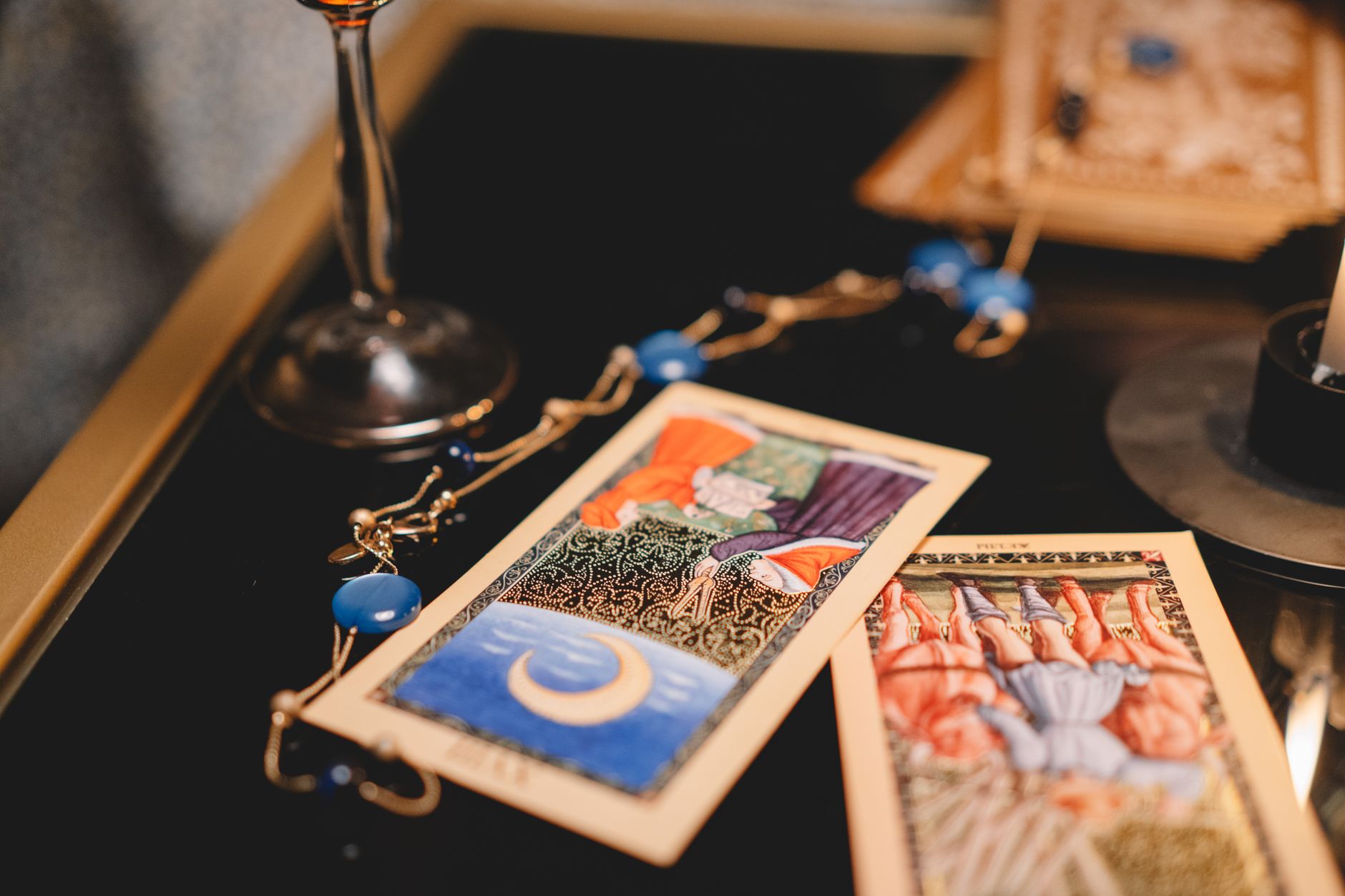
Not every person receives spiritual support the same way. Some people gain clarity through a psychic reading that identifies emotional blocks, hidden motives, or upcoming shifts. Others connect through tarot , where the symbolism reflects the inner story more clearly than words alone. Some notice that dreams become intense during life changes, revealing grief, warnings, unresolved attachments, or future possibilities.
Astrology can also be deeply helpful in transition, especially when someone feels like their whole life has been turned upside down overnight. In reality, certain periods are known for restructuring, endings, and awakening. Understanding that timing can make a painful phase feel less random. It does not remove your free will, but it can explain why everything feels so heightened.
For those who are carrying grief, mediumship can bring healing as well. A life transition can reopen older losses. You may be leaving a marriage while also mourning a parent. You may be stepping into a new chapter while aching for someone in spirit to witness it. When that connection comes through, it can soften the isolation and remind you that love does not end with physical absence.
Signs you need spiritual guidance right now
There are seasons when you can sort things out on your own, and there are seasons when the emotional fog is too thick. If you are stuck in the same question every day, replaying the same heartbreak, fearing the same decision, that is often a sign you need outside insight. If your body is tense, your sleep is restless, and your intuition feels drowned out by panic, support becomes more than helpful. It becomes necessary.
You may also need guidance if you keep repeating painful patterns. Many life transitions are not isolated events. They expose deeper lessons. The wrong partners. The fear of abandonment. The habit of choosing security over truth. The inability to trust your own inner voice. Spiritual insight can reveal where the lesson truly lives so you do not carry the same wound into the next chapter.
This is where experienced guidance matters. A seasoned intuitive does more than describe your pain. She helps you understand what is happening beneath it and what to do next. That is the difference between a reading that feels interesting and a reading that genuinely changes your direction.
What to look for in a trusted spiritual advisor
When you are vulnerable, you need more than mystical language. You need accuracy, honesty, and real experience. A trusted advisor should make you feel seen, not manipulated. She should be able to speak clearly about your situation, not hide behind general statements that could fit anyone.
You also want someone who can balance spiritual depth with practical guidance. A transition is emotional, but it is also real life. You may need insight about whether to return to a relationship , change careers, relocate, or let go of something you have fought hard to save. Spiritual guidance should help you face those choices with stronger intuition and steadier judgment.
This is why many people turn to established professionals rather than random voices online. Experience matters. So does volume. An advisor who has worked with thousands of clients has witnessed the many ways heartbreak, fear, timing, and spiritual awakening show up. That kind of depth can bring immediate recognition and relief. The Psychic Queen has built trust in exactly this way, through decades of full-time work, a strong reputation for accuracy, and guidance that is both spiritual and actionable.
How to use guidance without giving away your power
A good reading should never make you feel helpless. It should strengthen your connection to your own truth. During a life transition, it is easy to want certainty so badly that you hand someone else total authority over your decisions. That is not wisdom. That is fear in spiritual clothing.
The healthiest approach is to receive insight, let it settle, and notice what resonates in your body and spirit. Some messages land instantly. Others make sense a week later. Timing matters. So does readiness. A clear advisor can show you the energy around a situation, but you still choose how to respond.
There is also a difference between guidance and dependency. If you are asking the same question over and over because you do not like the answer, the issue may not be lack of clarity. It may be resistance. Real spiritual growth often begins where denial ends.
Spiritual guidance during life transition and emotional healing
The deepest value of spiritual guidance during life transition is not prediction alone. It is emotional healing rooted in truth. When you understand why something is ending, what it taught you, and what your soul is preparing for next, the pain becomes more workable. You may still grieve. You may still feel scared. But you are no longer lost inside the experience.
Healing rarely happens in a straight line. Some days you will feel strong and clear. Other days you will miss the past or fear the future. That does not mean you are failing. It means you are human. Spiritual support can hold you steady through those swings and remind you that endings are often sacred even when they are painful.
If your life feels like it is shifting beneath your feet, do not assume that confusion is all there is. Sometimes a transition is not punishment. Sometimes it is redirection. Sometimes it is the moment your spirit stops accepting less than what is truly meant for you.
Trust that clarity can return, even if it arrives one honest insight at a time.

Written by The Psychic Queen
Clairvoyant psychic, tarot reader, psychic medium, and life coach with 25+ years of full-time experience and 50,000+ readings given. Former host of a psychic TV show on Metro ACCESS TV, NYC, for 7 years.